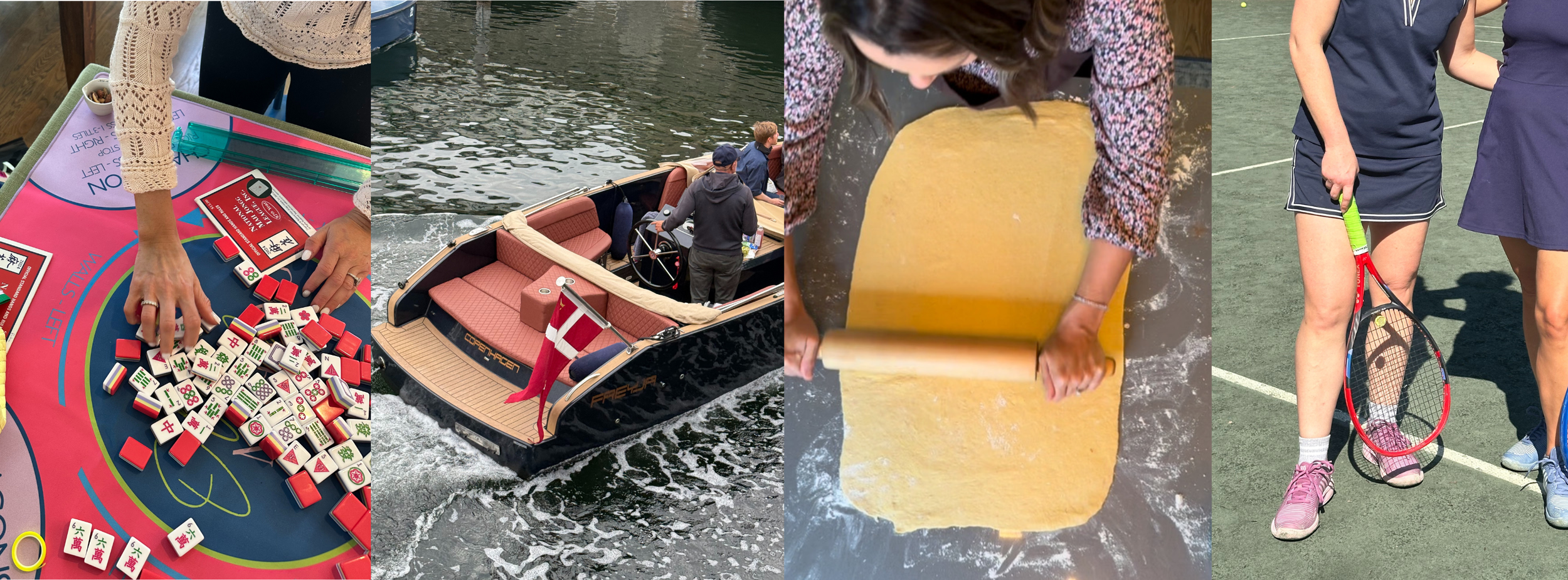
60% of US adults say they sometimes feel too busy to enjoy life.
Loneliness is an epidemic. Anxiety and burnout are at record highs. Many of us are looking for answers to the question: How can I be happier?
I was among them.
As a marketing professor, I’m trained to look for signals. When a tiny country that lives in darkness half the year consistently scores at or near the top of global happiness rankings, it grabbed my attention.
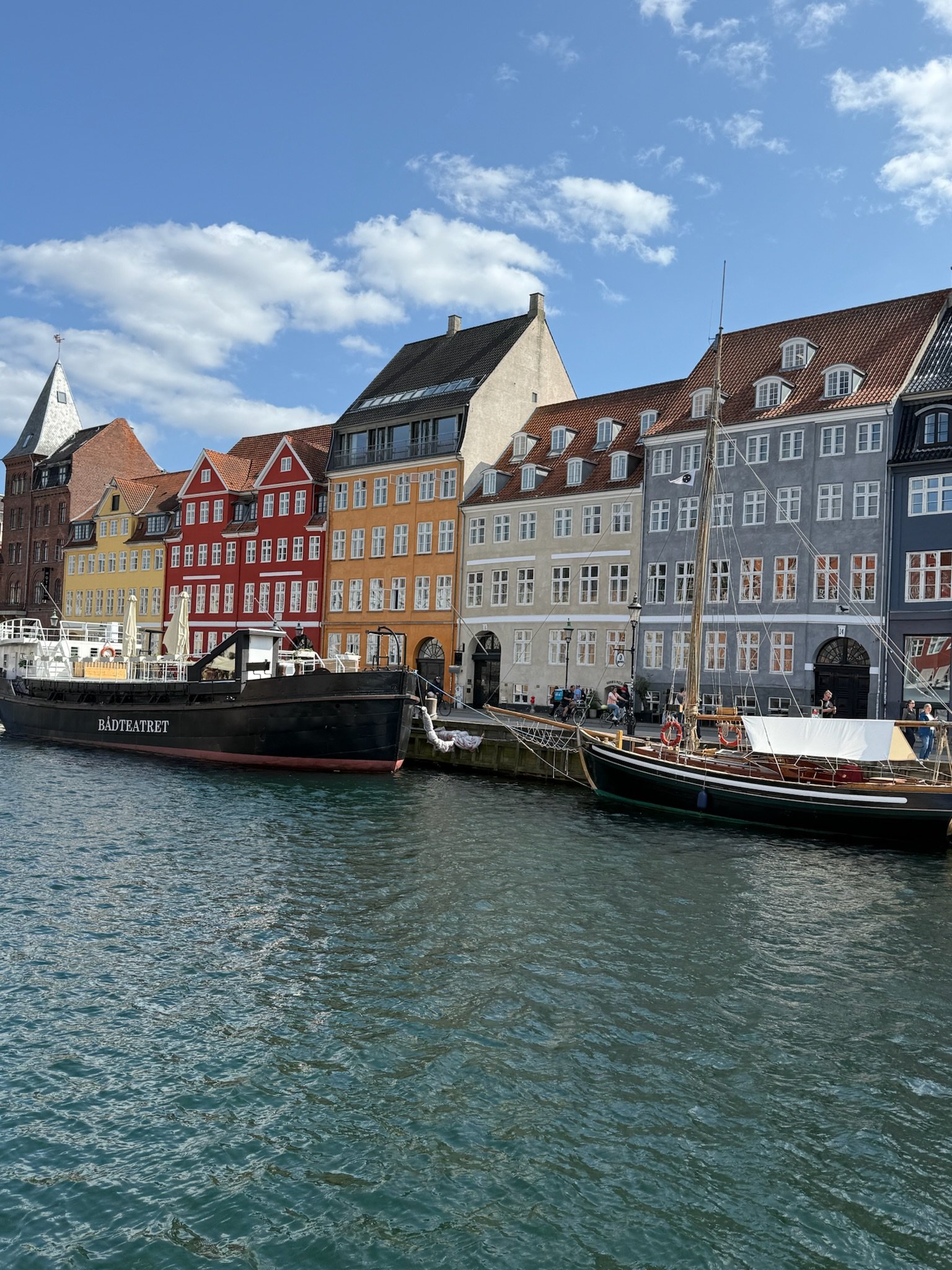
So I traveled to Denmark to study one of the world’s happiest countries.
I visited more than 20 Danish workplaces and interviewed dozens of Danes: from multinational executives to parents to expats. I expected to find answers in the shorter workweek or generous social policies, but instead I found a secret to happiness hiding in plain sight.
Hobbies.
When I returned to the US, I poured myself into hobby research.
After four years of study, I’ve found:
Hobbies aren’t an escape from life. They’re a way back into it.
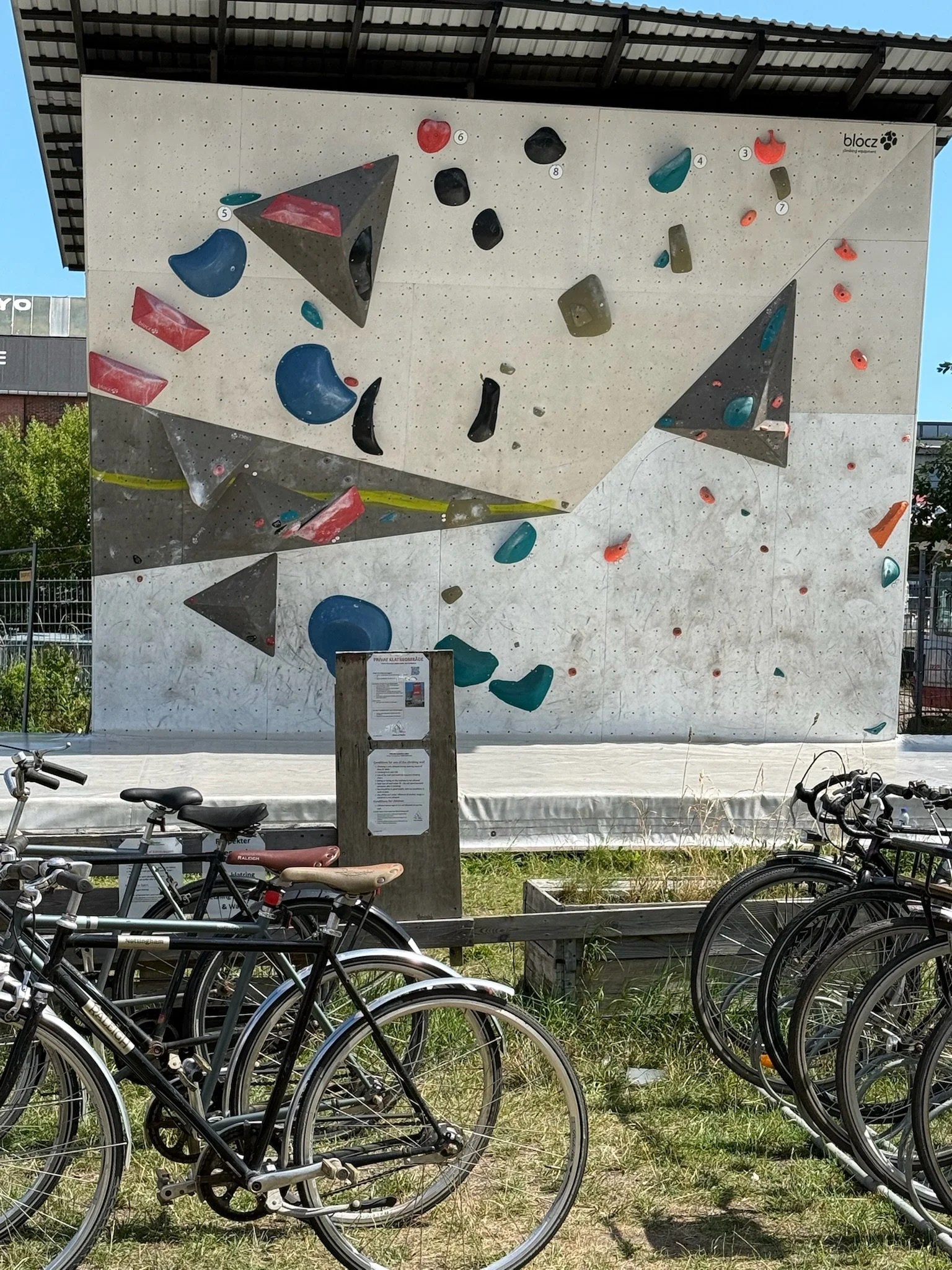
Hobbies lower the stress hormone cortisol,¹ facilitate social connection,² and have been found to be more restorative than passive leisure activities,³ like watching TV.
The science is clear: you need a hobby.
Hobbies also help you live longer.
A study of over 79,000 adults across 19 different countries associated hobby engagement with a 29% lower risk of all-cause mortality.⁴
If there were a supplement on the market that claimed to lower mortality risk by a third, we wouldn’t be able to keep up with demand.
The truth is, we already have one.
Hobby Revolution Reading
Read more about why you (yes, you!) need a hobby and how to get started.
-
![People sitting on the grass in a park with trees and colorful buildings in the background during daytime. Depicts Copenhagen, Denmark.]()
The Secret to Denmark's Happiness (and why the US has trouble replicating it)
What I’ve come to understand is this: nothing about Danish happiness is an accident.
-
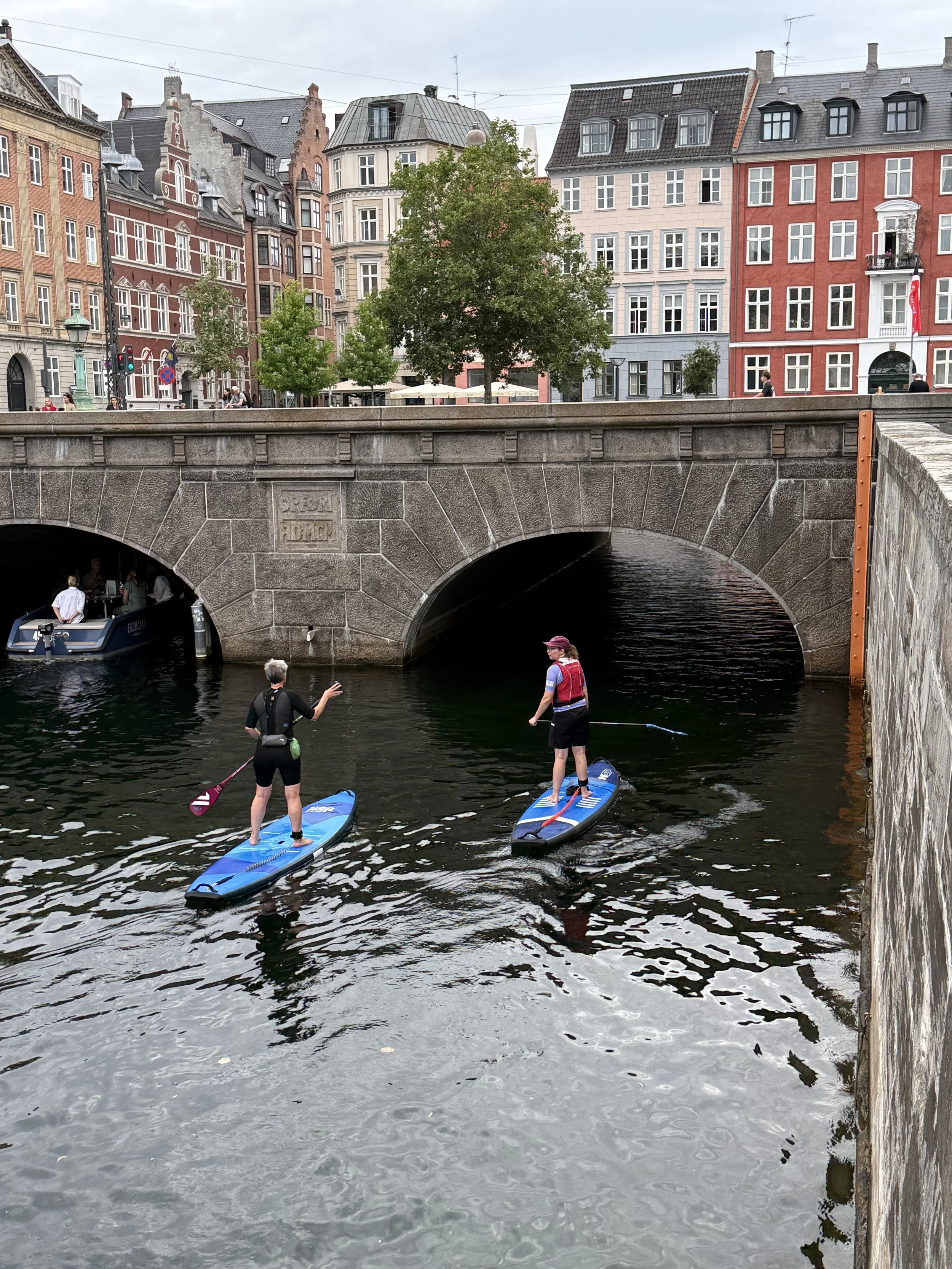
![Two people paddleboarding on a canal under a stone bridge with historic buildings and trees in the background. Depicts Copenhagen, Denmark.]()
In a world that profits from our distraction, hobbies are the ultimate act of rebellion
From the time you wake up to the time you go to sleep, there’s always somewhere to be, something to do, someone who needs you.
-
![Two women standing on a tennis court holding tennis rackets. Only their lower bodies are visible.]()
The best insurance policy against burnout is a hobby
I used to think hobbies weren’t for someone like me.
-
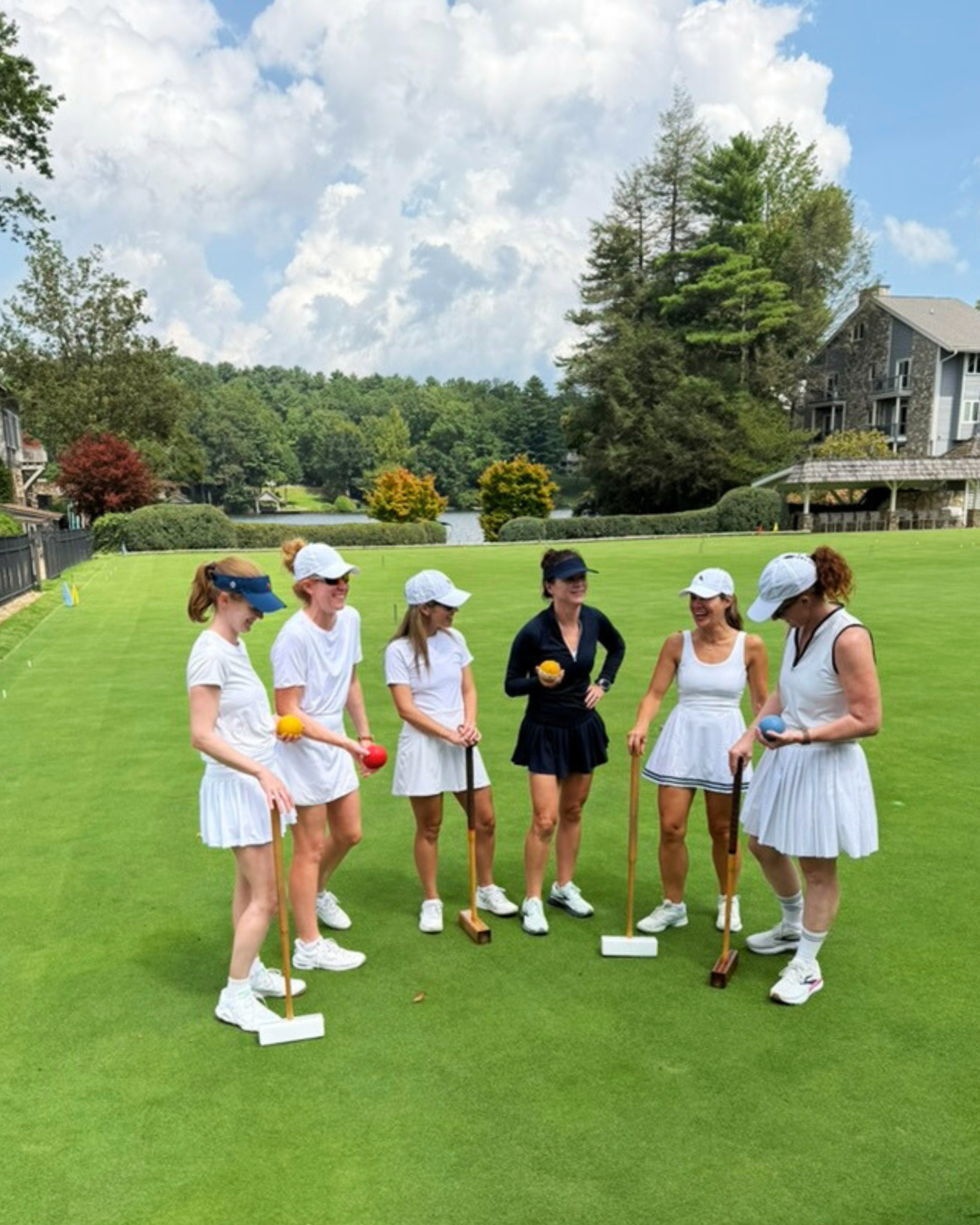
![Group of women dressed in white and athletic gear, standing on a well-maintained lawn with croquet mallets, preparing for a game with trees in the background, under a partly cloudy sky.]()
Making friends doesn't have to be hard. You just need a hobby.
10 ways to start building deep, meaningful friendship

1. Girija Kaimal, Kendra Ray, and Juan Muniz, "Reduction of Cortisol Levels and Participants' Responses Following Art Making," Art Therapy: Journal of the American Art Therapy Association 33, no. 2 (2016): 74–80, https://doi.org/10.1080/07421656.2016.1166832.
2. Office of the Surgeon General, Our Epidemic of Loneliness and Isolation: The U.S. Surgeon General's Advisory on the Healing Effects of Social Connection and Community (US Department of Health and Human Services, 2023).
3. Mihaly Csikszentmihalyi, Flow: The Psychology of Optimal Performance (New York: Harper & Row, 1990).
4. Guo, Yue, and Fan Yang. 2025. "Hobby Engagement and All-Cause and Cause-Specific Mortality Risk Among People Aged 50 Years and Older in 19 Countries." Journal of Global Health 15: 04181. https://doi.org/10.7189/jogh.15.04181.